
New Mexico Arrest to Court Records
The record path after an arrest is not one document. A person is arrested, booked, brought before a court, and then the prosecutor or law-enforcement filing opens or advances the criminal case. The jail record can show that a person is held. The court record can show what charge was filed, whether the charge changed, what bond or release order was entered, which hearings were set, and how the case ended. The two records often refer to the same event, but they are maintained by different offices.
New Mexico Courts provide statewide online access through Case Lookup for many electronic court records. The public-access research says appellate, district, magistrate, metropolitan, and municipal court records are available online, subject to rules and portal limits. Older records may need a request. The courts also state they do not conduct public criminal background checks and do not maintain law-enforcement, driving, or marriage-license records.
The New Mexico Case Lookup portal is the main statewide route for court records after a jail arrest.
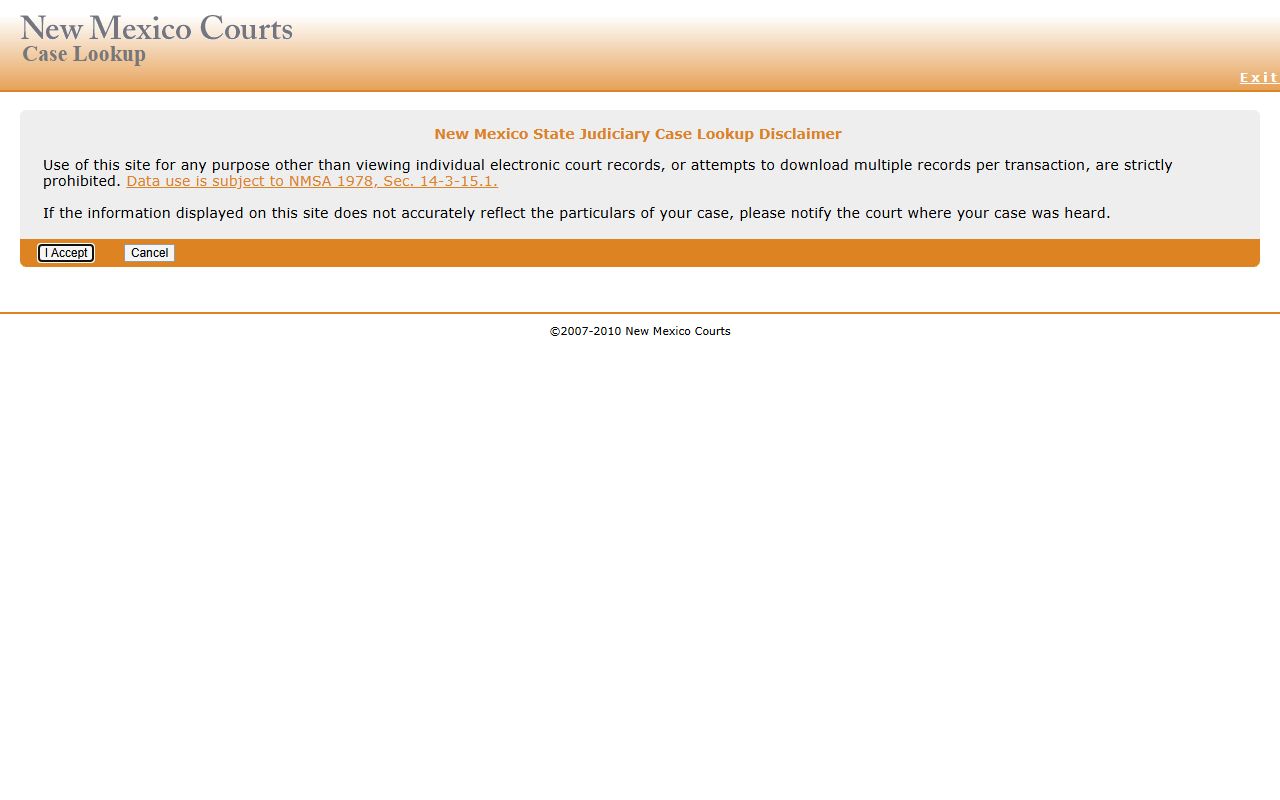
Case Lookup helps connect booking events to court filings, but it does not replace the jail roster for current custody status.
Search New Mexico Court Records
A court-record search should begin with the county or court where the case was filed, if known. If the jail roster shows a charge but no case number, search by name in Case Lookup and compare filing dates, charge text, and court location. If Case Lookup has no record, the case may not be filed yet, the spelling may differ, the court may not have posted the record, the record may be older, sealed, restricted, or maintained in a clerk process outside the visible portal.
- Search the jail roster first when the question is current custody or booking status.
- Open New Mexico Case Lookup for posted court records.
- Use the person's legal name and compare court, date, and charge details.
- Check the court clerk or New Mexico Courts IPRA page for records not visible online.
- Use NMCD, BOP, or ICE only when the question is custody after sentencing or transfer.
The New Mexico Courts public-access page explains Case Lookup and re:SearchNM access for court records.
The portal image is repeated here because the statewide research contains one successful court-portal capture, and this page is the direct subject match.
New Mexico Charging Documents
Booking charges and court charges are easy to confuse. A jail roster may list the arresting or holding charge. A court file should show the charge as filed, amended, dismissed, reduced, or adjudicated. The charging document is important because it frames the court case. It is not the same as a conviction, and it can change as the case moves through first appearance, preliminary hearing, indictment, plea, trial, or dismissal.
| Document | What it usually does | Record caution |
|---|---|---|
| Complaint | Begins many criminal cases with alleged facts and charges. | Allegations are not convictions. |
| Information | Formal prosecutor-filed charging document in some felony cases. | Can follow bind-over or waiver steps. |
| Indictment | Grand jury charging document. | May replace or supersede earlier charges. |
Charge vs. conviction: A charge is an accusation in a case. A conviction is a final result after plea, verdict, or adjudication.
New Mexico Case Status
Court status language is separate from custody status. A case can be pending while a person is released on conditions. A person can be in jail on a warrant while the court case waits for a hearing. A case can be dismissed while a separate hold remains. A person can be sentenced and transferred to NMCD even though the original county roster no longer lists them. Reading custody records and court records together prevents a common mistake: treating the jail roster as the whole criminal case.
New Mexico Case Lookup is strongest for individual electronic court records. The portal disclaimer in the research prohibits attempts to download multiple records per transaction, and the public-access page says older records may require an online request. A missing online entry can mean the search terms are wrong, the case is too new, the record is older, the record is restricted, or the case is held in a clerk process not exposed in the same way. The next step is the court clerk or court IPRA route, not a county jail records desk unless the requested record is a booking or confinement record.
| Status idea | What it means | Where to verify |
|---|---|---|
| Pending | The case is open and not resolved. | Case Lookup or clerk |
| Warrant | A court order may affect arrest or detention. | Court and law-enforcement custodian |
| Dismissed | A charge or case was ended by court action. | Court record |
| Sentenced | The court entered judgment and sentence. | Court record and NMCD if prison applies |
| Sealed or restricted | Public access may be limited by law or order. | Court clerk or counsel |
Sealed and Expunged Records
Sealed and expunged records should be described with restraint. The statewide research supports court public-access limits and IPRA routing, but it does not give a full expungement manual. A sealed record is one where public access is limited by law or court order. Expungement can remove or restrict public access under the applicable legal process. A jail roster entry, court case, mugshot, and criminal-history record may have different custodians and different rules, so one court outcome does not automatically change every public-facing record at once.
| Record issue | What to check | Likely custodian |
|---|---|---|
| Online court case visibility | Case Lookup and court clerk access | New Mexico Courts |
| Local jail booking record | County public-records request | County jail or sheriff |
| State prison record | NMCD IPRA or offender records | NMCD |
| Legal eligibility | Statute, order, or attorney advice | Court or counsel |
Court Records and Custody
Court records after a New Mexico jail arrest can show why someone is in custody, but the court portal is not the live jail count. The current holder should be checked through the right custody system. County jail rosters cover recent bookings and local custody. NMCD covers state-prison custody and supervision. BOP covers federal sentenced custody. ICE covers immigration detention. VINE supports notifications when available.
The NMCD offender-search instruction page is useful after sentencing because it explains the state-prison search scope.
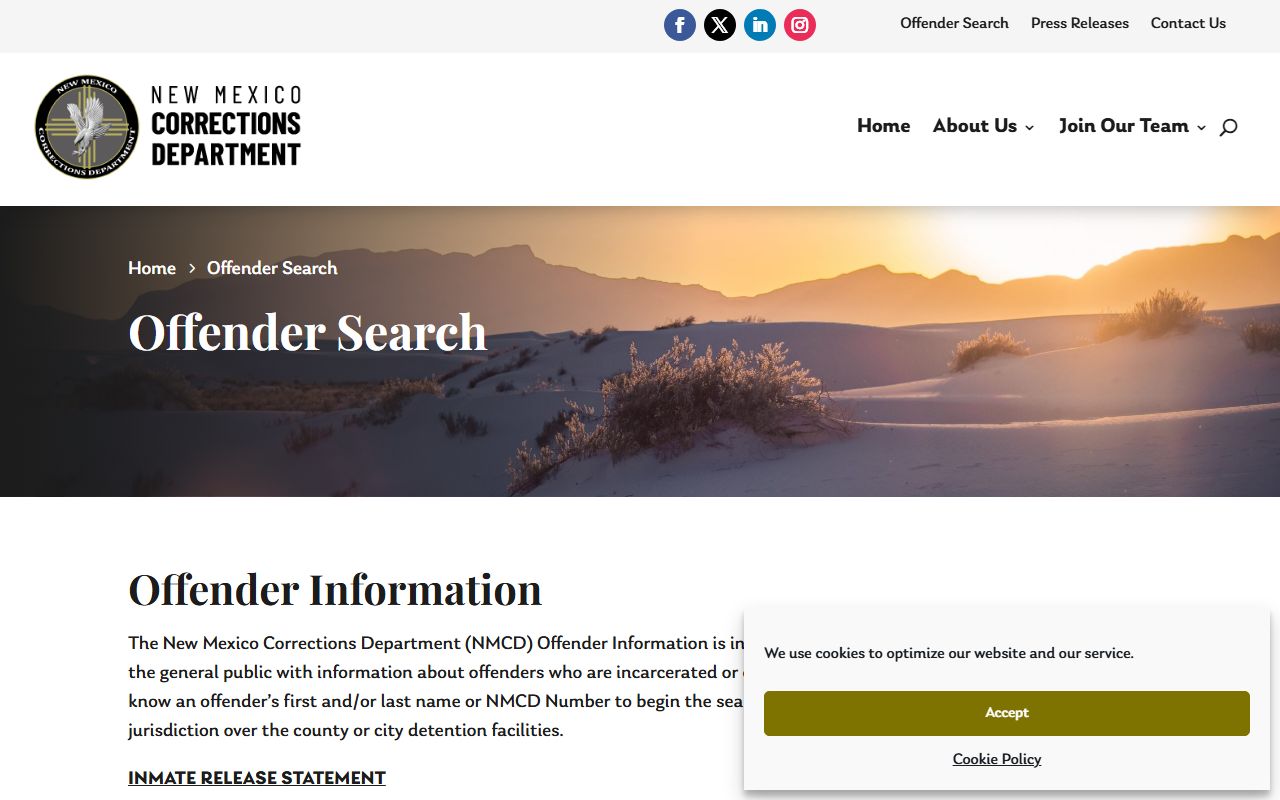
Use NMCD only after state custody or supervision becomes the relevant question.
The BOP inmate locator applies when a New Mexico arrest becomes a federal sentenced-custody matter.
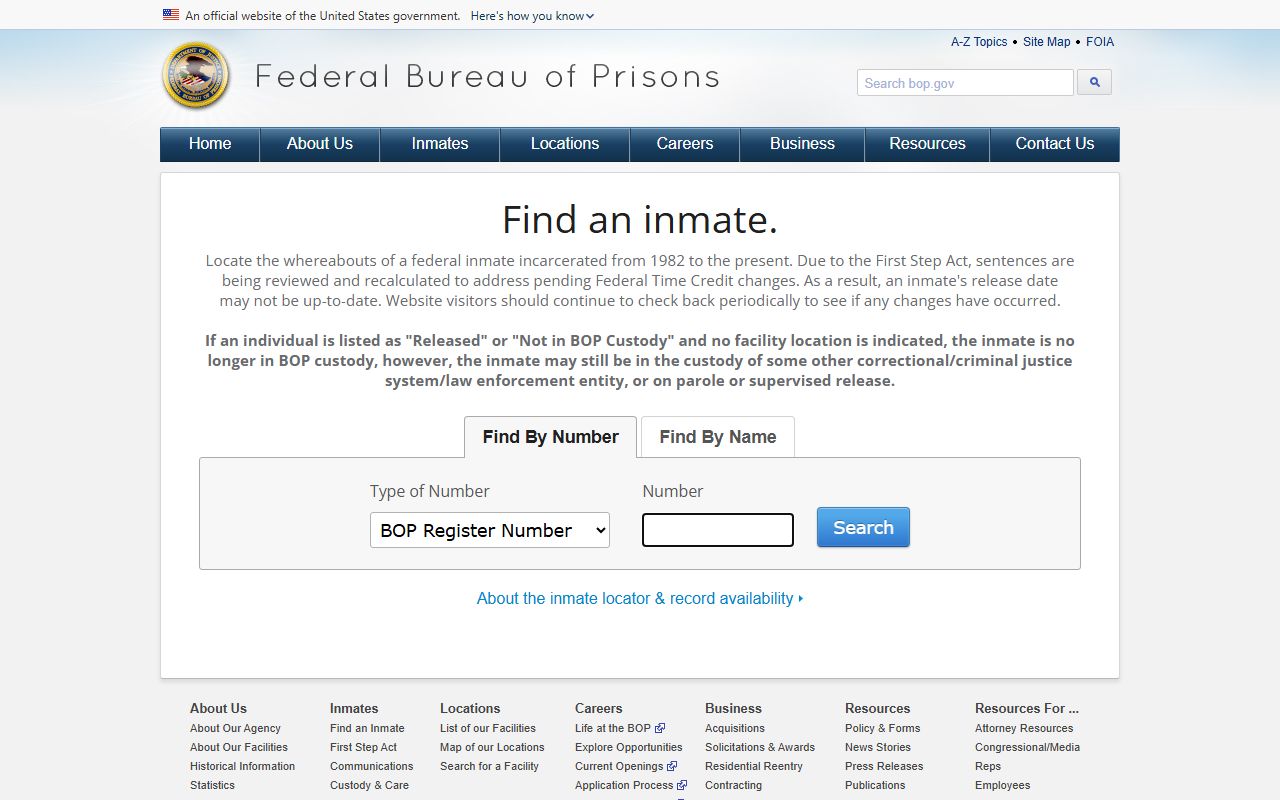
Federal custody may move a person outside New Mexico even if the arrest or case began in the state.
New Mexico Court IPRA
The court public-record route is separate from jail and NMCD records. New Mexico Courts' IPRA page says court case records may be inspected in person at the courthouse clerk's office where the records are located or by using the form. The same page warns that courts do not conduct criminal background checks and do not maintain law-enforcement records. That distinction matters when the requested item is a police report, jail video, mugshot, or jail phone log rather than a court filing.
The New Mexico Courts IPRA page is the court-specific request route for records not reached through Case Lookup.
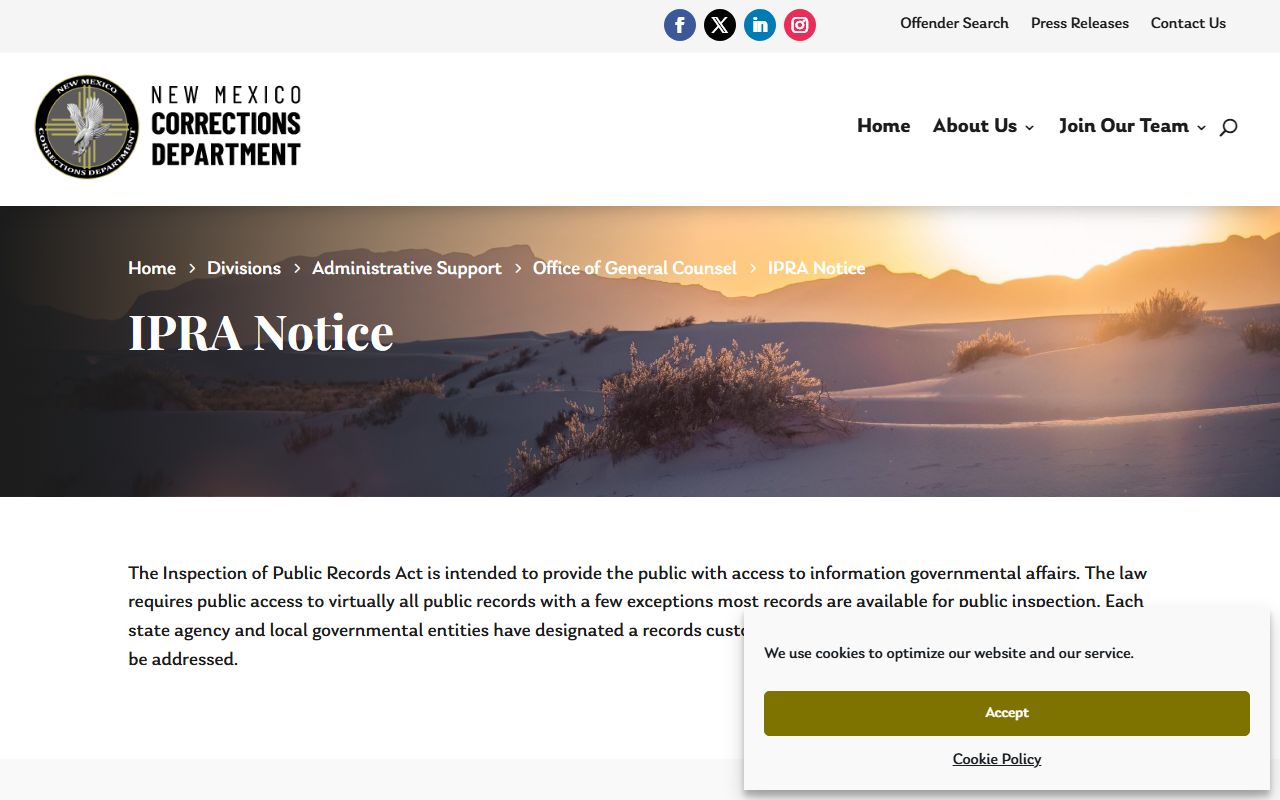
The NMCD IPRA screenshot appears here only as public-records context; court case files still use the court process.
New Mexico Court Records FAQ
Are court records after arrest the same as arrest records?
No. Arrest and booking records are usually law-enforcement or jail records. Court records are filings and orders in the case that follows the arrest.
Can Case Lookup confirm someone is in jail?
Not reliably. Case Lookup can show case activity and court status. Current custody should be checked through the jail roster, NMCD, BOP, ICE, or VINE notification channel.
What if the court record is not online?
Use the clerk or court IPRA process. Older, sealed, restricted, or not-yet-posted records may not appear in the public portal.